
When we first unboxed the SILVEL Buffer Polisher, 1600W 7 Inch/6 Inch Polisher for Car Detailing, it felt like getting a small workshop upgrade in one padded bag. Right away the weight and build hinted at somthing more serious than a hobbyist toy – a 1600W motor, pure-copper windings, and a design that clearly aimed to balance power with control. Over a weekend of polishing our sedan and a friend’s small boat, we put its 7-variable-speed range (500-3300 RPM), ergonomic grips, and included accessories through thier paces.
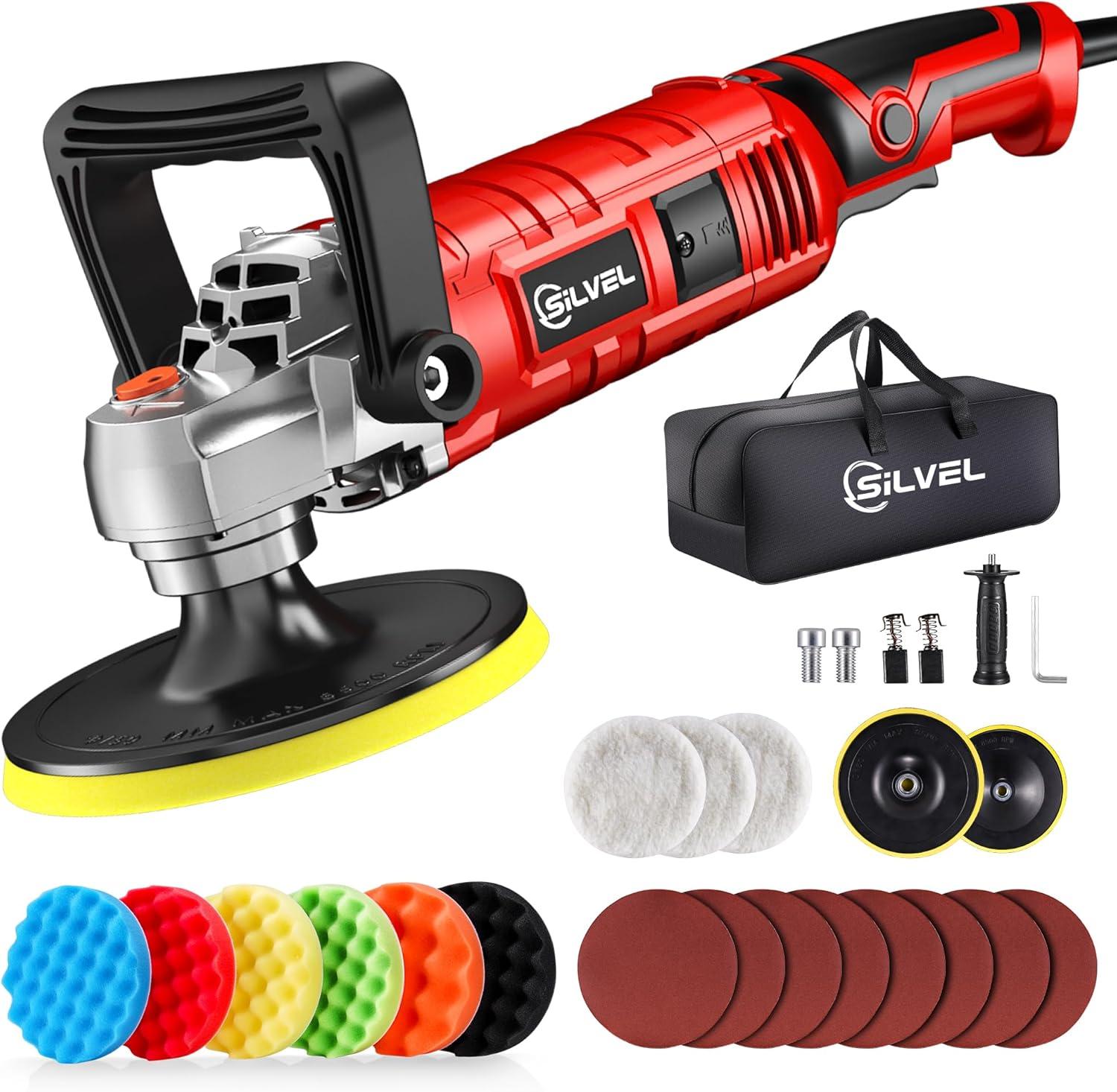
What stands out immediately is the speed dial: we coudl fine-tune from a gentle polish to aggressive correction without stopping the machine, which made transitions between foam waxing pads and wool cutting pads much smoother. The D-handle and side handle gave us plenty of leverage for extended sessions, and the curved body reduced wrist fatigue in ways we didn’t expect.The kit’s practical extras – six 6-inch foam pads, three 7-inch wool pads, two backing discs, ten 1000-grit sandpapers, spare carbon brushes, a hex wrench and a carry bag – meant we weren’t hunting for parts mid-job.
We won’t pretend it’s flawless, but for the price and the level of performance, the SILVEL unit felt like a dependable tool for both routine waxing and more demanding swirl- and scratch-removal tasks. In the sections that follow, we’ll walk through how it handled finish correction, ease of use, accessory quality, and whether it’s a good buy for DIY detailers and small-boat owners alike.
Our Overview and First impressions of the SILVEL Buffer Polisher
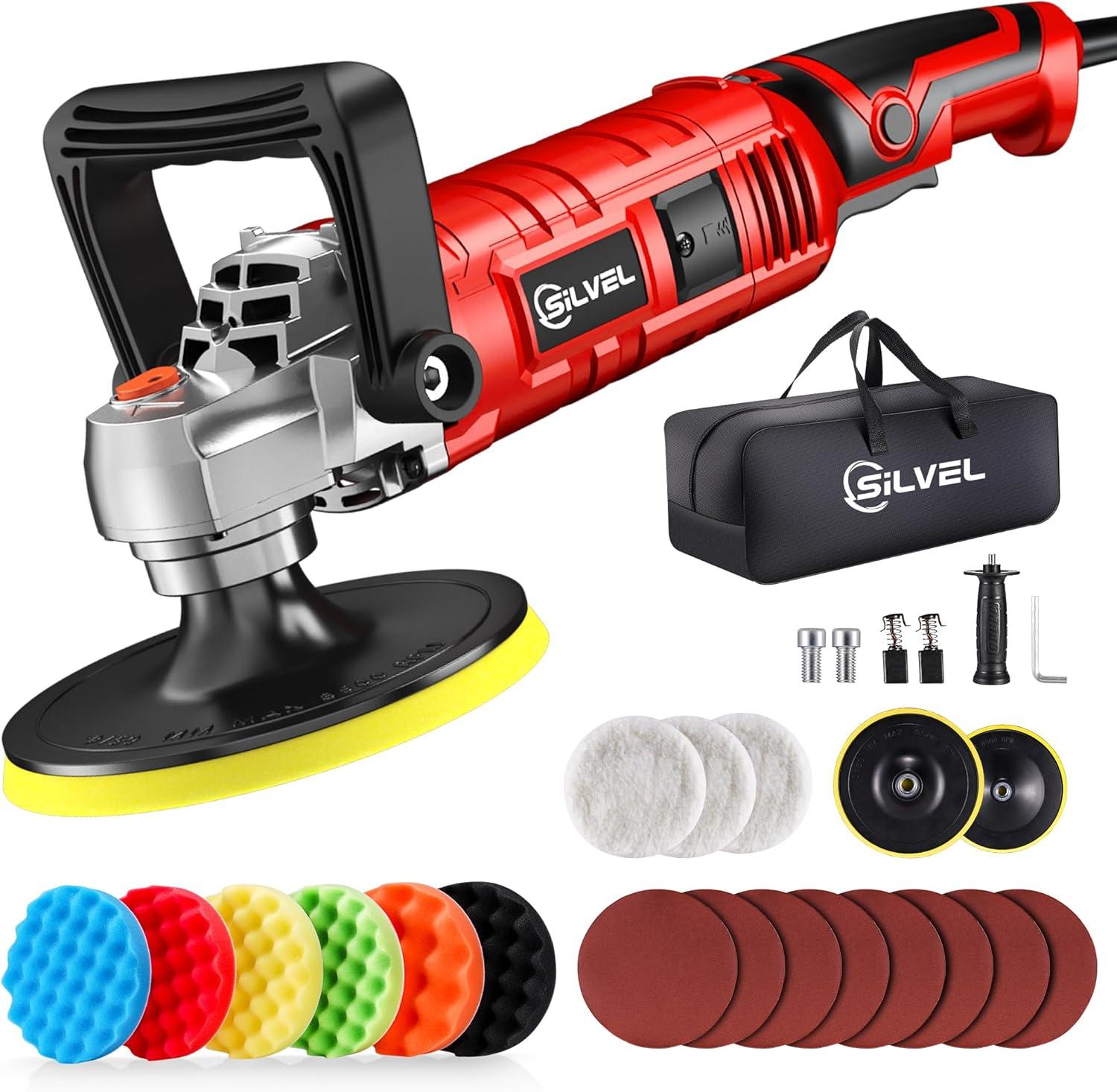
We were immediately impressed by the solid, no-nonsense feel when we picked it up – the 1600W motor delivers noticeable torque without sounding strained, and the variable dial lets us dial anywhere from 500-3300 RPM on the fly so we don’t need to stop to change speeds. The unit’s ergonomic front grip and curved handle made longer detailing sessions less fatiguing,and after a few test passes the paint looked markedly clearer: light swirls and minor defects softened quickly when we used the appropriate pad. Our first impressions are that this is a workhorse built for repeat use, thanks to the pure copper-wound motor and sturdy build, and the included pads mean we were ready to polish right out of the bag.
- Power: strong and consistent output for cutting and finishing
- Control: smooth speed transitions across seven settings
- Comfort: grips and handle reduce wrist strain during detailing
- Kit: multiple foam and wool pads plus sandpaper let us tailor the job
| Spec | Speedy Look |
|---|---|
| Motor | 1600W, copper winding |
| Speed | 500-3300 RPM (7 settings) |
| Pad Sizes | 6″ foam, 7″ wool |
| Extras | Sandpaper, D-handle, bag |
Package includes a extensive starter kit – multiple foam and wool pads, 10 pieces of 1000 grit sandpaper, a D-handle and side handle for control, spare carbon brushes and a carrying bag – which meant we could test different combinations immediately. If you want to see how it handles on your vehicle or boat, check it out and grab one for your next detailing session: Buy on Amazon
Feature Highlights and Performance Notes we Gathered on Speed Controls Pads Power and Build
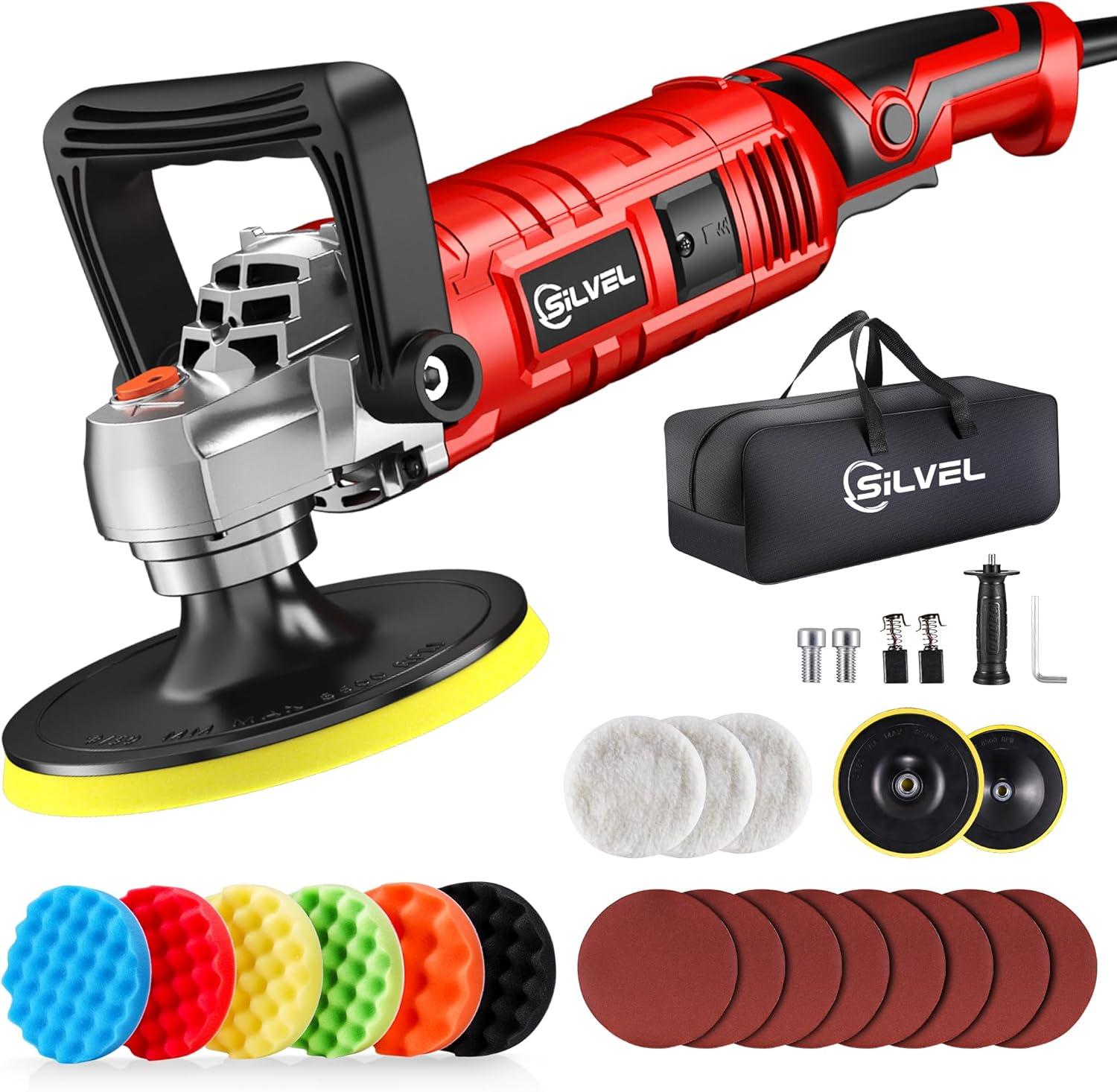
We found the 7 variable speeds to be one of the most practical features for mixed jobs – from light waxing to heavier defect removal.The dial covers a broad range (500-3300 RPM), and we appreciated being able to adjust speed without stopping, which keeps workflow smooth when switching between polishing and finishing. The kit also arrived with a thoughtful assortment of pads and accessories that let us tailor cut and finish quickly:
- 6 × 6″ foam pads for finishing and light glaze
- 3 × 7″ wool pads for heavy cutting and compounding
- 2 backing discs, 10 × 1000 sandpaper, D-handle and side handle for control
Power and build were solid in our hands – the 1600W motor with pure copper wire feels robust and pulls through swirl and scratch removal without bogging down, while the ergonomic front grip and curved body help reduce fatigue during longer sessions. Below is a quick specs snapshot we used to compare performance on cars and boats:
| Attribute | What We Saw |
|---|---|
| Motor | 1600W, high torque |
| Speed Range | 500-3300 RPM (7 settings) |
| Pads Included | 6 foam (6″), 3 wool (7″) |
| Ergonomics | D-handle + side handle, curved grip |
We recommend trying a mid-range speed for initial cutting and dialing down for finishing – the machine responds predictably and feels durable enough for regular detailing.Ready to test it on your own paint? Grab ours and start polishing
Detailed Insights From Our Use and Practical Recommendations for Car and Boat Detailing
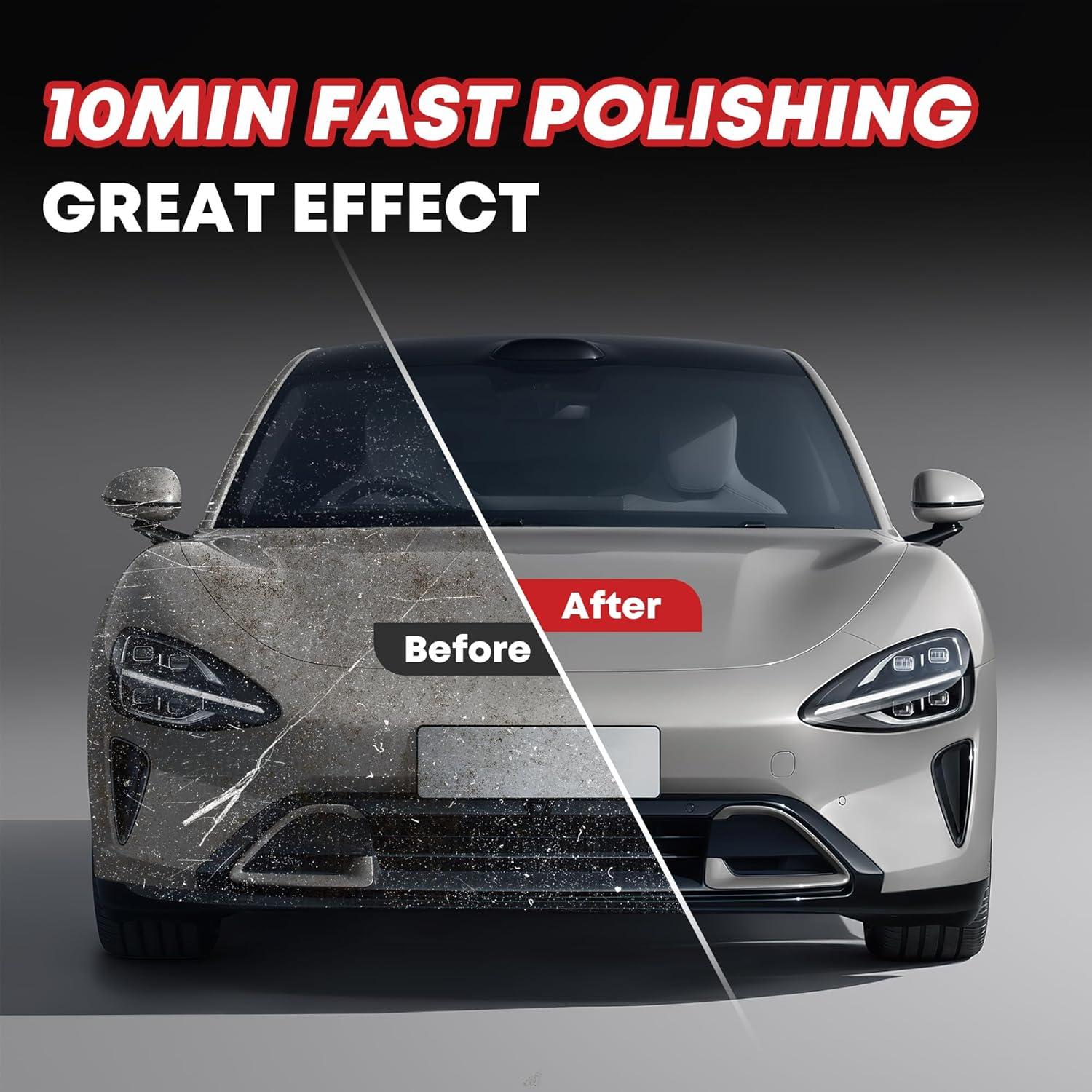
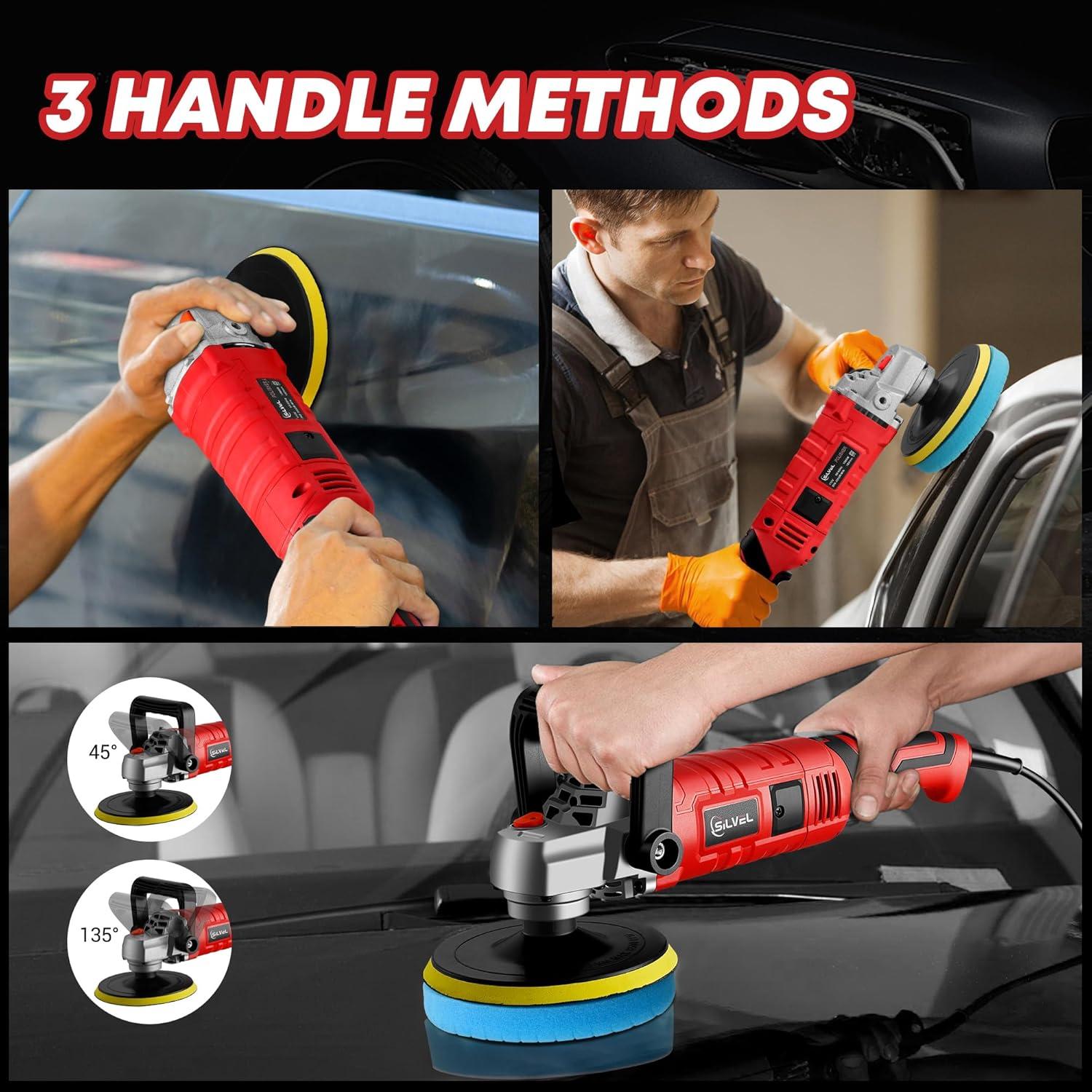
In real-world use we found the unit’s 1,600 W motor and pure copper winding give the kind of steady torque you need to eliminate swirls and light scratches and to bring back gloss on both cars and boats. The 7-step variable speed control (from 500-3,300 RPM) is genuinely useful-no need to stop and change tools when moving from heavy cutting to finishing. The ergonomic curved body and cozy front grip reduced fatigue during long sessions, and the included D‑handle and side handle make vertical and awkward panels much easier to manage. For quick reference while we worked, these were our go-to speeds and pad choices:
- 500-1,000 RPM – soft finishing foam for glaze and final polish
- 1,000-1,800 RPM – medium foam for polishing and light defect removal
- 1,800-2,500 RPM – wool or firm foam for compounding and swirl removal
- 2,500-3,300 RPM – aggressive cutting on heavily oxidized surfaces (use cautiously)
| Task | Speed Range | Pad |
|---|---|---|
| Final Shine | 500-1,000 RPM | Soft Foam |
| Polishing | 1,000-1,800 RPM | Medium Foam |
| Paint Correction | 1,800-2,500 RPM | Wool / Firm Foam |
For boat detailing we learned to treat gelcoat and marine paint more gently than automotive clearcoat: start at lower RPMs and test on a small area before committing to high-speed passes. The accessory kit – multiple 6″ foam pads, 7″ wool pads, discs, sandpaper, spare carbon brushes, hex wrench and carrying bag – means we were ready for cutting, blending and finishing without interruption. A few practical rules we follow every time include:
- Keep the tool moving – avoid heat buildup and swirl marks by overlapping passes.
- Match pad to task – wool for heavy oxidation, foam for finishing.
- Monitor brushes – replace carbon brushes at the first sign of sputtering to protect the motor.
- Work in shade and rinse salt/contaminants before polishing boats.
If you want to pick one up to try these techniques yourself, see details and current pricing here: Check price and reviews on Amazon
Pros & Cons
Pros & Cons
After spending time with the SILVEL 1600W polisher across cars and a small boat hull, here’s our quick, candid read: what won us over and what made us pause during our 7‑speed journey.
Pros
- Serious punch: The 1600W motor tackles swirls and light scratches with authority – we saw paint revive faster than with our lighter polishers.
- Seven useful speeds: The 500-3300 RPM range gives us fine control for foam finishing and plenty of torque for more aggressive correction.
- Ergonomic handling: The curved body and front grip make longer passes less tiring – the D‑handle and side handle add stable control for tricky panels.
- Value accessories: The kit includes foam and wool pads, backing discs, sandpaper, spare carbon brushes and a bag – we appreciated being able to start immediately.
- Built for work: Pure copper windings and a beefy motor suggest durability; it feels like a tool meant for repeated use, not just weekend touch‑ups.
- Speed adjustment on the fly: We could dial speeds without interrupting a pass, which helped when switching between polishing and finishing.
Cons
- Noticeable heft: It’s heavier than hobby polishers – after extended sessions our arms were reminded it’s a workhorse, not a featherweight.
- Low‑speed finesse needs practice: The low end is usable but getting ultra‑smooth, slow passes takes a steady hand and a bit of learning.
- Wool pad care: Wool is great for cutting,but it can shed and mark if used aggressively – we recommend frequent pad inspection and tape or foam interface as needed.
- Basic storage bag: The included bag is handy for transport,but it doesn’t have dedicated pockets for small parts; bits like the hex wrench and carbon brushes can rattle around.
- Heat under long use: During lengthy correction sessions it can warm up – plan pauses on big jobs to let it cool and swap brushes if you’ve got heavy duty tasks.
| At a glance | quick takeaway |
|---|---|
| Power | 1600W – strong and consistent |
| Speed range | 500-3300 RPM – versatile for cut to finish |
| Kit value | Pads, sandpaper & spares make it shop‑ready |
We found the SILVEL polisher to be a robust, cost‑savvy option for enthusiasts who want a single machine that can cut, polish and finish. It’s not the lightest or most refined tool for absolute beginners, but for those willing to practice a few slow passes, it rewards with real results.
Q&A
Q: What are the most crucial specs we should know about?
A: The headline numbers are a 1600W motor and seven variable speeds that range from 500 to 3,300 RPM. The kit also includes both 6‑inch foam pads and 7‑inch wool pads, two backing discs, a D‑handle plus side handle, spare carbon brushes, sandpaper, a hex wrench and a storage bag – so it arrives ready for several polishing and sanding steps.
Q: Is this polisher powerful enough to remove swirls and light scratches?
A: The manufacturer positions the 1600W motor as a high‑power unit for removing swirls, light scratches and other paint defects.While we can’t promise results on every finish, the combination of strong motor and variable speed control gives you the control and power typically needed for compounding and polishing when used with the right pad and polish.
Q: We’re beginners – is the SILVEL suitable for novices?
A: Yes, with caveats. The seven speed settings let us start slow and build confidence. The ergonomic front grip and curved handle make handling easier. However, polishing has a learning curve: start on lower speeds, practice on a hidden area, and choose less aggressive pads until you’re comfortable to avoid overworking the paint.
Q: how do we pick the right speed for a task?
A: Use lower speeds (closer to 500 RPM) for applying waxes, glazes and working on delicate areas. Mid speeds are good for polishing and finishing. Higher speeds (toward 3,300 RPM) are for compounding and cutting, but those higher settings require careful technique and appropriate cutting pads. We recommend increasing speed gradually rather than jumping straight to the top.
Q: What’s the difference between the included foam and wool pads, and when do we use each?
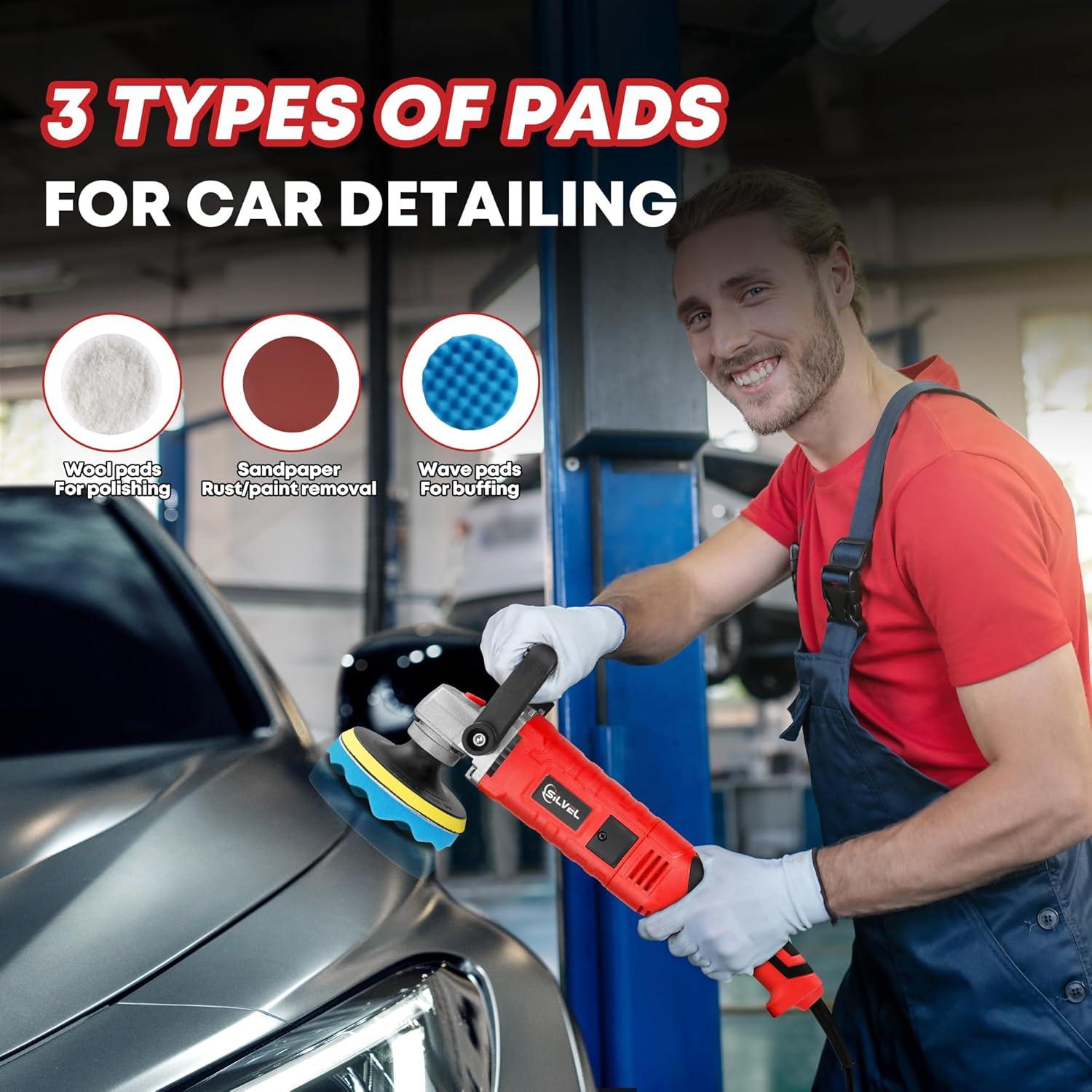
A: The 6‑inch foam pads are typically used for polishing and finishing tasks – softer foam for waxes and finishing polish, firmer foam for light correction. The 7‑inch wool pads are more aggressive and better for cutting/compounding to remove heavier defects.Match pad size and aggression to the speed and task.
Q: Can we use this on boats and other painted surfaces besides cars?
A: Yes. The product description specifically mentions boat polishing and waxing. The same precautions apply: choose the right pad, polish, and speed for gelcoat, marine paint or automotive clear coats, and always test in a small area first.
Q: How do we avoid burning the paint or creating swirl marks?
A: Keep the pad moving – don’t hold the polisher stationary over one spot. use the appropriate pad/compound combination, start at a lower speed, and apply moderate pressure. Work in small sections and finish with a softer pad/low speed if needed. Practicing technique is the best defense against heat and swirl creation.
Q: How easy is it to swap pads and accessories?
A: The kit includes backing discs and a hex wrench for accessory changes. Pads attach to the backing plate (usually via hook-and-loop). We found the included tools and two discs give enough flexibility for switching between pads during a job.
Q: What maintenance should we be prepared for?
A: Keep pads clean after each session to prevent contamination. The kit includes spare carbon brushes – replace them if the motor begins to sputter or lose power. Store the polisher and pads in the supplied bag and follow the user manual recommendations for periodic inspection.
Q: Is the design comfortable for long jobs?
A: The ergonomic front grip and curved body are intended to reduce fatigue, and the D‑handle plus side handle let us choose the grip that feels most stable. For very long jobs we still recommend taking breaks and using both handles to distribute effort.
Q: Any safety tips we should know?
A: Always wear eye protection and gloves, secure lose clothing and tie back long hair. Work in a well‑ventilated area if using solvent‑based polishes. Disconnect power before changing pads or performing maintenance,and follow the user manual for safe operation.
Q: What common issues might we run into and how do we troubleshoot?
A: If the motor loses power or stalls, check the carbon brushes (spares are included). If the pad is vibrating, make sure it’s centered on the backing plate and the backing plate is tightly secured. Excessive heat or burning smell usually means too much speed/pressure in one spot – stop and reassess technique.
Q: Who is this polisher best suited for?
A: It’s a versatile option for hobbyists and detailers who want a powerful, corded unit with variable speeds and a comprehensive accessory kit. it’s especially useful for people who want more control over cutting and finishing than a single‑speed buffer would provide.
Q: What’s our bottom line takeaway from our 7‑speed journey?
A: The SILVEL 1600W polisher gives us a strong motor, a useful range of speeds, and a well‑rounded accessory pack to tackle compounding, polishing and waxing on cars and boats. With proper technique and pad selection it’s a capable tool – and the included extras (spare brushes, pads and bag) make it practical out of the box.
Achieve New Heights
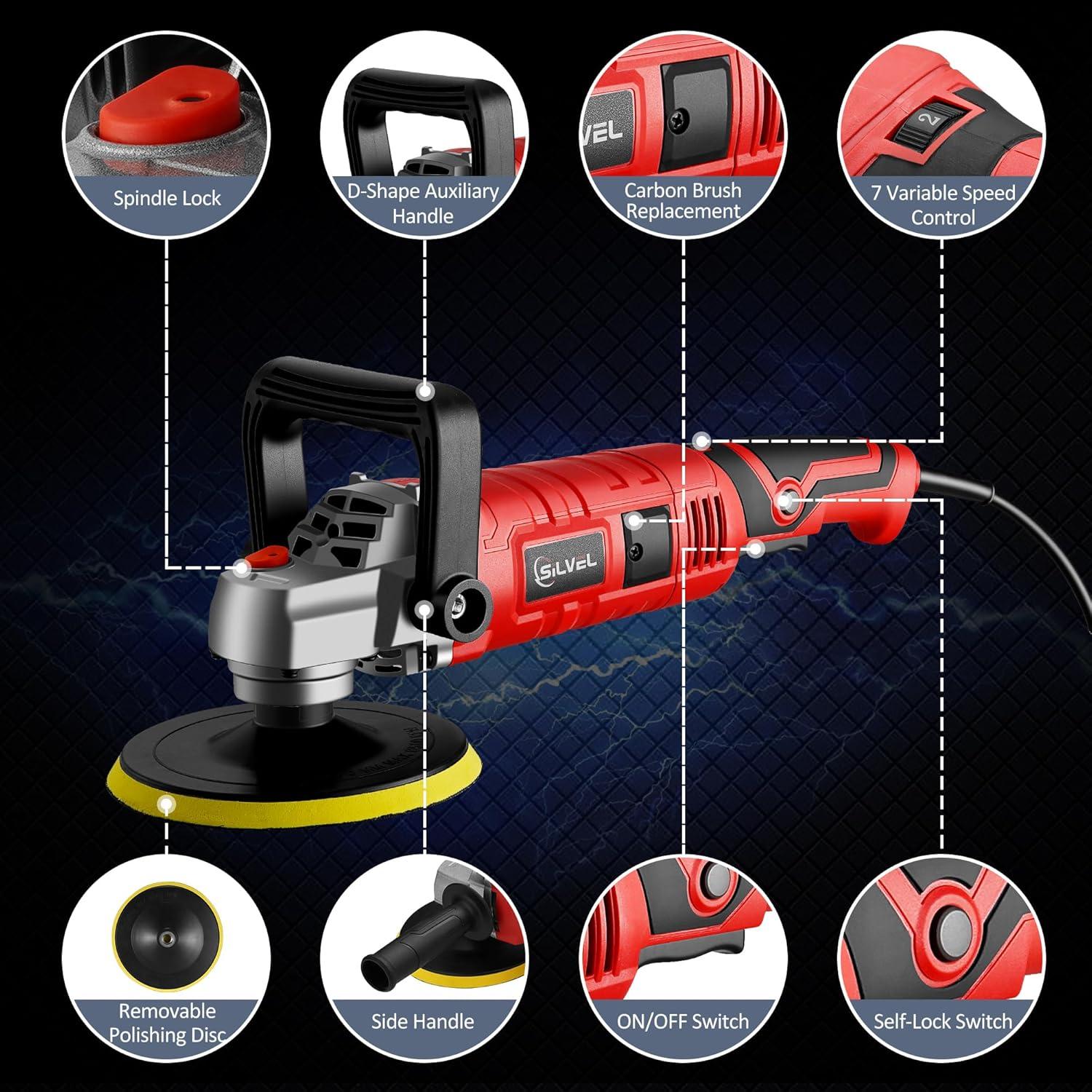
As we bring our seven-speed journey with the SILVEL 1600W polisher to a close, our takeaway is simple: this tool feels built for hands-on versatility. Shifting through speeds from a gentle 500 RPM up to a spirited 3300 RPM gave us the control to move from delicate waxing to more aggressive polishing without missing a beat. The 1600W motor-supported by pure copper wiring-delivered the kind of steady power that made tackling surface defects feel more manageable than we expected.
Ergonomically, the curved body and comfortable front grip kept fatigue at bay during longer sessions, and the included D-handle and side handle made directional work more precise. We also appreciated the full accessory kit: multiple foam and wool pads, discs, sandpaper, spare carbon brushes, a hex wrench, and a handy bag-everything you need to start detailing cars or boats right away.
If you want a capable, no-frills polisher that balances power, speed control, and useful extras, this unit is worth considering. We’d love to hear about your experiences-tell us what you polished and which speed became your go-to.
Ready to take the next step? Explore current pricing and full details here: Buy the SILVEL 1600W Polisher on Amazon
Reviews
There are no reviews yet.